GOOD, BAD OR NO CREDIT - FINANCING FOR ALL CREDIT TYPES!

GOOD, BAD OR NO CREDIT - FINANCING FOR ALL CREDIT TYPES!
When you are considering purchasing a pre-owned vehicle, the initial price is only one part of the total cost of ownership. A crucial factor for any smart car buyer in Rhode Island is understanding the potential maintenance costs for used cars. These expenses can vary significantly based on the vehicle’s age, mileage, make, and model. Here in the Ocean State, our unique driving conditions, from bustling Providence city traffic to salty coastal roads in the winter, also play a role in a car's long-term upkeep. Being prepared for routine services like oil changes and tire rotations, as well as potential repairs, is the key to a positive ownership experience. That is why our team is committed to not only providing affordable used cars in Rhode Island but also empowering you with the knowledge to budget effectively and drive with confidence for years to come.
Our commitment to you extends far beyond the day you drive off the lot. We believe an informed customer is a happy customer, which is why we emphasize transparency about the total cost of car ownership. By understanding potential maintenance expenses upfront, you can better integrate your vehicle into your budget. We specialize in creating affordable and accessible financing options that consider your entire financial picture, ensuring your monthly payments are manageable and you are prepared for future service needs.
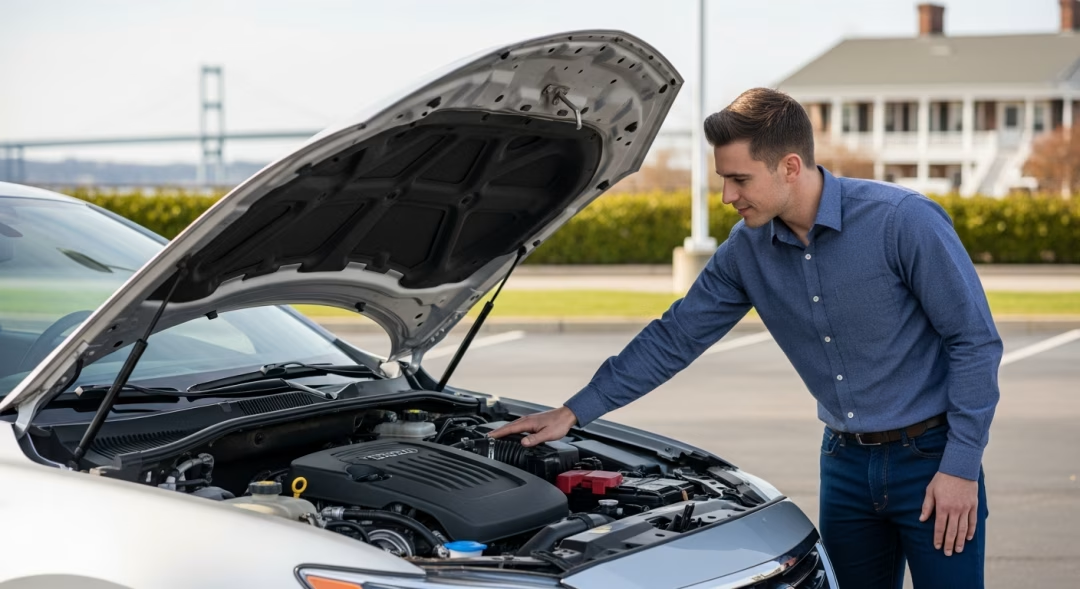
Owning a vehicle in Rhode Island involves navigating everything from I-95 traffic to snowy backroads in the winter. This diverse environment has a direct impact on your car's health and your wallet. Planning for maintenance is the single best way to avoid unexpected, high-cost repairs and ensure your vehicle remains reliable. This guide breaks down the typical costs you can expect, the factors that influence them, and how you can proactively manage your automotive budget.
Every vehicle requires regular service to stay in peak condition. These are not unexpected repairs but predictable expenses you should budget for annually. While costs can fluctuate based on your specific car and the service center you choose, here are some general estimates for common maintenance tasks in our area:
Staying on top of this schedule is easy when you can schedule service with a trusted team. Proactive care is always more affordable than reactive repairs.
No two used cars will have the exact same maintenance costs. Several variables unique to the vehicle and its environment will determine how much you spend over time. Understanding these factors will help you choose the right car and prepare for its future needs.
First, the make and model are significant. Generally, domestic and popular Asian brands like Ford, Chevrolet, Toyota, and Honda have more readily available and affordable parts. European luxury brands such as BMW, Mercedes-Benz, and Audi often require specialized tools and more expensive components, leading to higher service costs. The age and mileage of the vehicle are also critical. A car with over 100,000 miles is more likely to need replacements for major components like the timing belt, water pump, or suspension parts compared to a newer, low-mileage model.
Your personal driving habits matter, too. Frequent stop-and-go driving in cities like Providence or Cranston puts more strain on your brakes and transmission than steady highway commuting. Finally, our local Rhode Island climate plays a huge part. The salt and sand used on roads in winter accelerate rust and corrosion on the undercarriage. The freeze-thaw cycle creates potholes that are harsh on tires, wheels, and suspension components. A vehicle that has been well-maintained and protected from the elements will invariably have lower long-term costs.
While routine maintenance is predictable, unplanned repairs can strain any budget. It is wise to set aside an emergency fund specifically for your vehicle. A good rule of thumb is to save between $50 and $100 per month. This creates a financial cushion for when a major component fails. Some high-cost repairs that can occur on older, higher-mileage vehicles include transmission failure ($2,500+), head gasket replacement ($1,500+), or catalytic converter replacement ($1,000 - $3,000).
The best way to mitigate these risks is to purchase a high-quality, inspected used car from a reputable dealership. Our process involves a thorough multi-point inspection of every vehicle before it is offered for sale. We check the engine, transmission, brakes, suspension, and other critical systems to ensure they meet our high standards for safety and reliability. This significantly reduces the likelihood that you will face a major, unexpected repair bill shortly after your purchase. For those with challenging financial situations, we are proud to offer guaranteed financing options, including bad credit car loans in Rhode Island, to ensure everyone has access to a reliable vehicle.
While it varies greatly by vehicle, a good budget for annual routine maintenance (oil changes, tire rotations, filters) for a typical used car in Rhode Island is between $400 and $700. It is also wise to set aside an additional $600 to $1,200 per year ($50-$100/month) for potential unplanned repairs like brakes or a new battery.
Not necessarily. A well-maintained older vehicle from a reliable brand can often be less expensive to service than a newer, complex luxury car. The key factors are the vehicle's service history and the cost and availability of replacement parts. However, as any car ages, the likelihood of needing major component replacements increases.
The best way to reduce costs is through preventative maintenance. Follow the manufacturer's recommended service schedule, check your tire pressure regularly, and address small issues before they become large ones. Choosing a vehicle known for reliability and affordable parts is also a smart long-term strategy.
Absolutely. A reputable dealership invests in a thorough inspection and reconditioning process for every vehicle. This helps identify and fix potential problems before the car is sold, providing you with peace of mind and reducing the risk of immediate, costly repairs. You can learn more about us and our commitment to quality.
In Rhode Island and the greater New England area, common winter-related repairs include suspension damage from potholes (struts, shocks, ball joints), exhaust system corrosion from road salt, and battery failure due to the cold. Having your vehicle inspected before winter is a great way to prevent these issues.
Yes. We believe everyone deserves a safe and reliable car, regardless of their credit history. We specialize in providing financing solutions for all situations, including no credit car loans in Rhode Island. Our team works with you to find a vehicle and a payment plan that fits your budget, helping you get on the road and rebuild your credit.

