GOOD, BAD OR NO CREDIT - FINANCING FOR ALL CREDIT TYPES!
GOOD, BAD OR NO CREDIT - FINANCING FOR ALL CREDIT TYPES!

Finding the perfect used car is exciting, but the sticker price is only the beginning of the story. Understanding the full range of car buying costs in Rhode Island is crucial for creating an accurate budget and avoiding any surprises down the road. Beyond the vehicle's price, you will need to account for state-mandated taxes, title and registration fees, and other dealership charges that contribute to your final "out-the-door" price. Being prepared for these additional expenses ensures a smooth and transparent purchasing process. This guide is designed to demystify these costs, empowering you with the knowledge to navigate your vehicle purchase confidently. We believe an informed buyer is a happy car owner, and our goal is to provide you with all the details you need to make a smart financial decision right here in the Ocean State.
Knowing the complete financial picture allows you to explore our inventory and financing options with total clarity. Whether you have excellent credit, are rebuilding your score, or are a first-time buyer, understanding these costs helps us find the perfect vehicle that fits comfortably within your budget. Our team is dedicated to transparency, and we are here to walk you through every line item so you can drive away with confidence and peace of mind. Explore our affordable financing options to see how we can help.
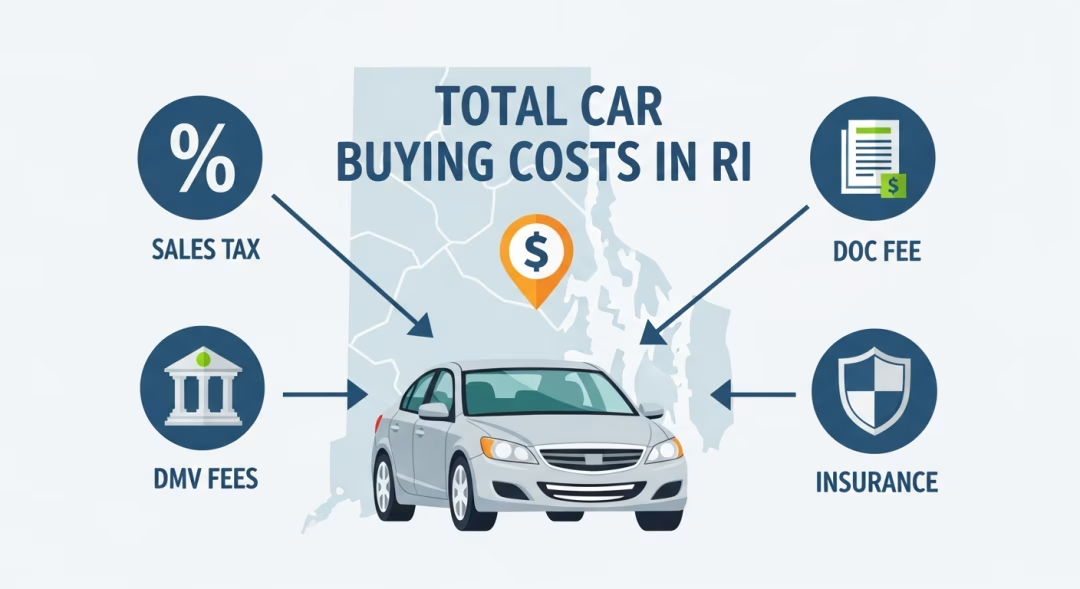
When you are ready to find a vehicle, the price you see on the windshield or in an online listing is the starting line, not the finish line. To truly understand what you will pay, it is essential to break down all the components that make up the total cost of acquiring a used car in Rhode Island. From government-required fees to optional protection plans, each element plays a role in your final purchase agreement. Let's dive into a comprehensive overview of these costs so you can plan your budget like a pro.
These are the costs that nearly every car buyer in Rhode Island will encounter. They are a standard part of the vehicle purchasing process and should be factored into your budget from the very beginning.
Unless you are paying with cash, your financing and insurance choices will significantly impact your total and monthly expenses. These costs are variable and depend on your personal circumstances.
While not mandatory, these additional products and ongoing expenses are an important part of the total cost of ownership. Thinking about them ahead of time will help you maintain your vehicle and your budget for years to come.
By understanding all these car buying costs in RI, you can approach the process with a clear and realistic budget. Our team is committed to transparency and is always available to answer your questions. Please feel free to contact us to learn more about our process and how we can help you get behind the wheel of your next vehicle.
The state of Rhode Island charges a 7% sales tax on the final purchase price of a used vehicle. Importantly, if you are trading in a vehicle, the sales tax is calculated on the price of the car you are buying after the value of your trade-in has been subtracted, which can lead to significant savings.
While the final sale price of a vehicle is often negotiable, the documentation fee is a standard administrative charge that covers the costs of processing paperwork like title, registration, and sales contracts. While the amount is set by the dealership, being aware of this fee is an important part of understanding your total cost.
In addition to the vehicle price and the 7% sales tax, you should budget for Rhode Island DMV fees for the title (around $52.50) and registration (which varies by vehicle weight). You will also have the dealership's documentation fee and the cost of a new state safety and emissions inspection.
A trade-in can significantly lower your total cost in two ways. First, its value is deducted directly from the price of the car you are buying, reducing the amount you need to finance. Second, this deduction happens before sales tax is calculated, meaning you pay less in taxes as well.
The best way to prepare is to research and budget ahead of time. Use online calculators to estimate your sales tax and potential loan payments. When you get an "out-the-door" price quote from a dealership, ask for an itemized list of all fees so you know exactly what you are paying for. A larger down payment can also help offset these initial costs.
