GOOD, BAD OR NO CREDIT - FINANCING FOR ALL CREDIT TYPES!
GOOD, BAD OR NO CREDIT - FINANCING FOR ALL CREDIT TYPES!
Navigating the used car market in Rhode Island can feel overwhelming. While the promise of a great deal is alluring, the risk of ending up with a vehicle full of hidden problems is a genuine concern for every buyer. A "bad" used car can mean more than just a bit of buyer's remorse; it can lead to a cascade of unexpected, expensive repairs and leave you stranded on the side of the road. That is why arming yourself with knowledge is the single most powerful tool you have. This comprehensive guide is designed to empower you, the Rhode Island car shopper, with the expert tips and checklists needed to confidently inspect a pre-owned vehicle. We will walk you through every step, from initial research to the final handshake, ensuring you know exactly how to identify a reliable car and steer clear of the lemons.
Ultimately, the surest way to avoid a bad used car is to purchase from a dealership that prioritizes transparency and quality. Here, we take the guesswork out of the process. Every vehicle on our lot undergoes a rigorous inspection before it is ever offered for sale. We believe in building lasting relationships with our community, which starts with selling reliable cars you can depend on. To learn more about our commitment to quality and our customer-first philosophy, please check out our about us page.
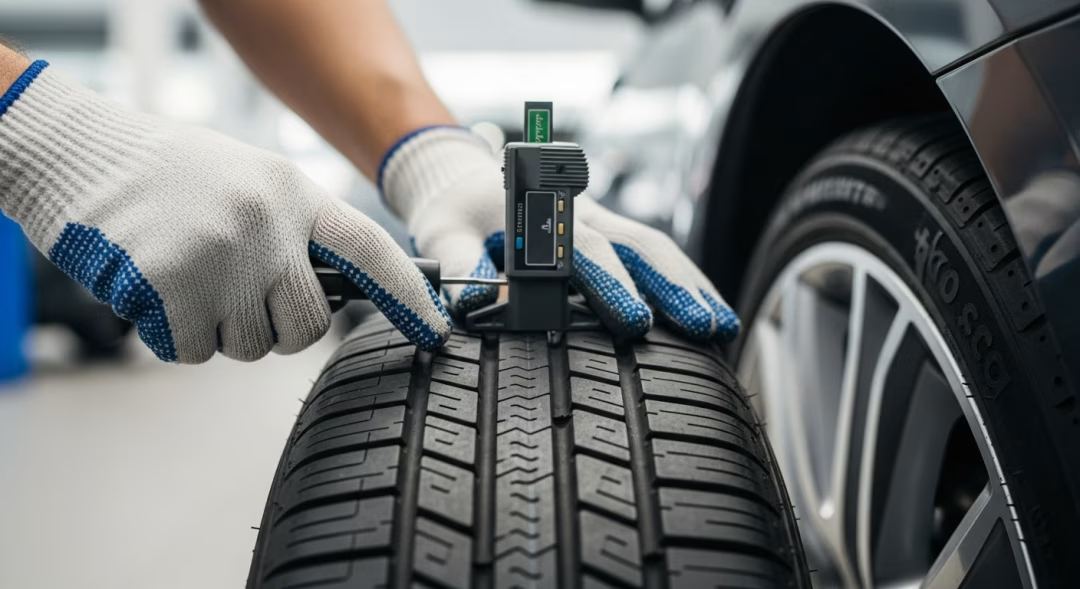
Purchasing a pre-owned vehicle is a significant investment. Making an informed decision is crucial to ensure your new ride is a source of freedom, not frustration. The following steps will guide you through a thorough evaluation process, helping you spot potential red flags and choose a car that will serve you well for years to come.
Before you ever set foot on a car lot, your most important work begins at home. A solid foundation of research will save you time, money, and stress.
Never consider a used car without first reviewing its Vehicle History Report (VHR) from a reputable source like CarFax or AutoCheck. This document is a window into the car's past. A reputable dealership will always provide this report upfront. If a private seller or dealer is hesitant to provide one, consider it a major red flag. Key information to look for includes:
After reviewing the VHR, it is time for a detailed physical inspection. Do this in broad daylight on a clear day to see everything. Do not be shy; this is your chance to play detective.
Exterior Checklist:
Interior Checklist:
The test drive is where you get a true feel for the car's mechanical condition. Plan to drive for at least 15-20 minutes on a route that includes city streets, bumpy roads, and a stretch of highway. Turn the radio off so you can listen carefully.
This is the most critical step you can take to avoid a bad used car. Even if you are mechanically inclined, a professional technician has the tools and experience to spot issues you might miss. Arrange to have the vehicle inspected by a trusted, independent mechanic before you agree to buy it. The cost, typically around $100-$200, is a small price to pay for peace of mind and can save you thousands in future repairs. A mechanic will put the car on a lift to check the frame, suspension, exhaust system, and look for leaks that are not visible from above. This professional assessment is your ultimate safety net.
While everything is important, paying extra attention to rust and corrosion is crucial in Rhode Island. Our winter road treatments with salt and brine can accelerate rust on a car's frame, subframe, suspension components, and body panels. A professional pre-purchase inspection where the car is put on a lift is the best way to assess the severity of any underbody rust.
Yes, absolutely. A car can look perfect on the outside while hiding a history of serious accidents, flood damage, or a salvaged title. A Vehicle History Report (VHR) provides objective, third-party information that you cannot get just from looking at the car. A clean report is a fundamental requirement for any used car purchase.
Of course. Your credit history should not prevent you from getting a safe, reliable vehicle. We specialize in providing bad credit car loans in Rhode Island. Our finance team works with a network of lenders to find solutions for all types of credit situations, ensuring you get approved for a car you can count on.
A pre-purchase inspection from an independent mechanic typically costs between $100 and $250, depending on the shop and the thoroughness of the inspection. While it is an upfront cost, think of it as an investment. Catching a single major issue like a pending transmission failure or a rotted subframe could save you thousands of dollars in repair bills down the road.
Key red flags include a seller who is hesitant to let you take the car for a pre-purchase inspection, a refusal to provide a vehicle history report, a title that is not in the seller's name, any warning lights staying on the dashboard, evidence of flood damage (like silt under the carpets or a musty smell), and feeling pressured to make a decision immediately. Trust your instincts; if something feels off, it probably is.

